


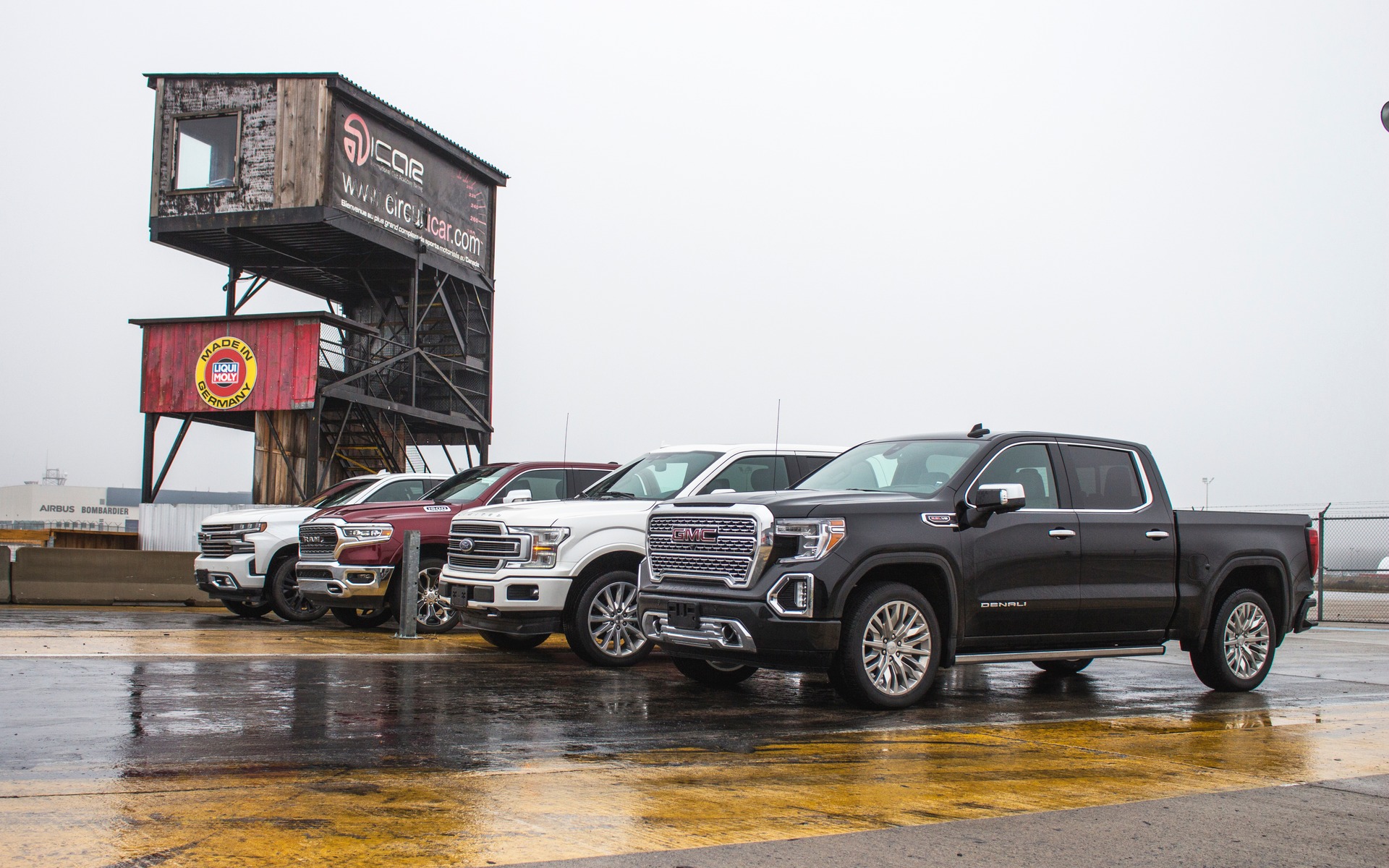
Buying a truck is not always easy. Trucks come in many shapes and sizes. Some are small and easy to drive in the city. Some are very big and built for heavy work. To make the right choice, people often look for a truck size comparison.
This guide explains the main vehicle sizes and different truck dimensions in simple words. It will help you understand what type of truck is best for daily driving, work, family use, or long trips.
Why Do Truck Sizes Matter?
When you buy a truck, size matters. A small truck can save fuel and fit in a garage. A big truck can carry more weight and tow heavy loads. Without a truck size comparison, it is hard to know which one is right for you.
The truth is, trucks are not “one size fits all.” People use them for many reasons. Some need them for work. Some want them for travel. Others use them for family trips. Looking at truck dimensions helps make the right decision.
Different Vehicle Sizes for Trucks
Trucks are divided into groups based on size. The four main groups are:
Compact Trucks
Compact trucks are the smallest. Their length is about 190 to 210 inches. They are easy to drive and park. Compact trucks are good for light jobs like carrying tools, bicycles, or sports gear.
Midsize Trucks
Midsize trucks are bigger than compact. Their length is about 210 to 230 inches. These trucks can tow small trailers or boats. Many families like midsize trucks because they are not too big and not too small.
Full-Size Trucks
Full-size trucks are very popular in North America. Their length is about 230 to 250 inches. They have strong engines and large cabins. They can carry heavy loads and tow campers. Full-size trucks are a common choice for both work and family.
Heavy-Duty Trucks
Heavy-duty trucks are the biggest. Their length is more than 260 inches. They are wide and tall. These trucks can tow very heavy trailers, farming tools, or construction gear. They are not easy to park, but they are very powerful.
Key Truck Dimensions You Should Know
When you compare truck dimensions, you need to look at more than just the overall size. The main numbers to check are:
Length
Truck length decides how easy it is to park. Small trucks are shorter and fit in more places. Big trucks are longer and need more space.
Width
The width of a truck changes how much cabin space you get. Compact trucks are about 70 inches wide. Large trucks can be more than 80 inches wide. Wider trucks may feel harder to drive in narrow streets.
Height
Height changes the driving view. Tall trucks give a better road view. Short trucks are easier to get in and out of. Some tall trucks may not fit in small garages.
Bed Size
The bed is where you put cargo. Some beds are 5 feet long. Some are 8 feet long. A longer bed is better for wood, bikes, or tools. A shorter bed is enough for daily use.
Wheelbase
The wheelbase is the space between front and back wheels. A short wheelbase is easier for turning. A long wheelbase is better for towing.
Sample Truck Size Comparison
Here are some simple examples of vehicle sizes in trucks:
- Compact truck: 200 inches long, 70 inches wide.
- Midsize truck: 215–225 inches long, 74 inches wide.
- Full-size truck: 230–250 inches long, 79 inches wide.
- Heavy-duty truck: 260+ inches long, 80+ inches wide.
These truck dimensions are not exact, but they give a clear idea of how each group is different.
How Truck Sizes Affect Daily Life
Truck size is more than just numbers. A truck size comparison shows how each truck works in real life.
- Parking: A compact truck can fit in most garages. A heavy-duty truck may not.
- Fuel use: Bigger trucks use more fuel. Smaller trucks save money on gas.
- Comfort: Full-size and heavy-duty trucks often have more cabin space.
- Cargo: Long beds carry more gear. Short beds are enough for small loads.
- Driving feel: Small trucks are easier to control. Big trucks feel powerful but harder to park.
Choosing the Right Truck for You
The best way to choose is by thinking about your needs.
- For city driving: Pick a compact or midsize truck.
- For towing boats or campers: A full-size truck works better.
- For construction or farm work: A heavy-duty truck is the right choice.
A truck size comparison makes these choices easier.
Truck Sizes for Families
Many people use trucks as family vehicles. Midsize and full-size trucks are best for this. They often have two rows of seats. Families like them because they can carry both people and cargo.
Big vehicle sizes also mean more comfort on long trips. Kids get more legroom. Adults get wider seats. Trucks today are more than work machines—they are also family cars.
Truck Sizes and Safety
Safety depends on truck size too. Larger trucks give a higher seat view. This makes it easier to see the road. Wider truck dimensions also make them stable on highways.
But small trucks are safer in other ways. They are easier to stop quickly. They are also easier to move around in traffic. Each truck size comparison shows different safety benefits.
Trends in Truck Dimensions
Over the years, trucks have changed. Midsize trucks today are bigger than old models. Full-size trucks now have more technology. They include backup cameras, trailer assist, and parking sensors.
This shows that vehicle sizes are growing. Buyers want trucks that do more. Brands are making truck dimensions bigger but also adding comfort.
Future of Truck Sizes
In the future, electric trucks may change the way we look at size. Many new electric trucks are wider and heavier than gas models. They need space for big batteries. But they also have large cabins and modern designs.
The demand for different truck dimensions will keep growing. Some people want compact and easy trucks. Others need heavy-duty power. The market will keep offering all sizes.
Final Thoughts
A truck size comparison helps every buyer. By looking at vehicle sizes and truck dimensions, you can choose the right truck for your life. Some trucks are built for city driving. Others are made for farms, trailers, or heavy work.
The key is to match the size to your daily needs. A compact truck may be enough for some. A full-size or heavy-duty may be perfect for others. With clear numbers and simple comparisons, finding the best truck is much easier.