


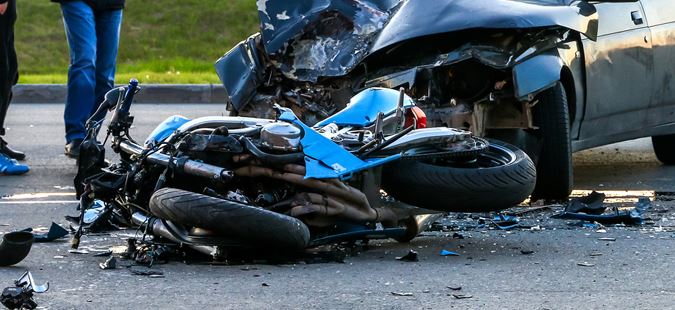
Motorcycle accidents can result in devastating injuries and complex legal situations that require specialized knowledge to navigate effectively. When such incidents occur in Vermont, understanding your rights and the legal process becomes crucial for protecting your interests and securing appropriate compensation. A motorcycle accident lawyer in Vermont brings essential expertise to these challenging circumstances, helping victims understand their options and pursue justice.
The Unique Challenges of Motorcycle Accident Cases
Motorcycle accidents differ significantly from standard vehicle collisions in several important ways. The physics of these crashes often result in more severe injuries due to the exposed nature of motorcycle riders. Unlike car occupants who benefit from airbags, seatbelts, and protective vehicle frames, motorcyclists have minimal protection beyond their safety gear.
Vermont’s mountainous terrain and winding roads create additional hazards for motorcycle riders. Seasonal weather changes, particularly during fall and spring, can make road conditions unpredictable. These factors contribute to the complexity of motorcycle accident cases, as determining fault often requires careful analysis of road conditions, weather patterns, and the specific circumstances surrounding the incident.
Insurance companies frequently approach motorcycle accident claims with heightened scrutiny, sometimes operating under unfair assumptions about motorcycle riders. This bias can significantly impact settlement negotiations and claim outcomes, making professional legal representation particularly valuable for motorcycle accident victims.
Vermont’s Legal Framework for Motorcycle Accidents
Vermont operates under a fault-based insurance system, meaning the party responsible for causing an accident is liable for resulting damages. This system requires establishing negligence, which involves proving that the at-fault party breached their duty of care and that this breach directly caused the accident and resulting injuries.
The state follows comparative negligence rules, allowing injured parties to recover damages even if they bear partial responsibility for the accident. However, the compensation amount reduces proportionally to their degree of fault. For example, if a motorcyclist is found 20% at fault for an accident, their damage award would decrease by 20%.
Vermont law requires all motor vehicle operators, including motorcyclists, to carry minimum liability insurance coverage. However, these minimum amounts often prove insufficient for serious motorcycle accident injuries, making it essential to explore all available sources of compensation.
When Professional Legal Help Becomes Necessary
Several factors indicate the need for specialized legal representation following a motorcycle accident. Serious injuries requiring extensive medical treatment create complex damage calculations involving current medical expenses, future treatment costs, lost wages, and diminished earning capacity. These calculations require expertise in both legal and medical matters to ensure accurate valuation.
Cases involving disputed liability benefit significantly from professional investigation and evidence gathering. A motorcycle accident lawyer in Vermont can coordinate with accident reconstruction experts, gather witness statements, and obtain crucial evidence such as surveillance footage or police reports that might otherwise be overlooked or lost.
Insurance company negotiations present another area where legal expertise proves invaluable. Insurance adjusters work to minimize payouts, often employing tactics that take advantage of unrepresented claimants’ lack of legal knowledge. Professional representation levels the playing field and ensures that settlement negotiations proceed fairly.
The Investigation and Evidence Gathering Process
Successful motorcycle accident cases rely heavily on thorough investigation and comprehensive evidence collection. This process typically begins at the accident scene, where factors such as road conditions, weather, traffic signals, and vehicle positioning all provide crucial information about how the accident occurred.
Medical documentation plays a central role in building a strong case. This includes not only immediate emergency room records but also ongoing treatment documentation, specialist evaluations, and expert medical opinions regarding future treatment needs and long-term prognosis.
Physical evidence from the accident scene, including vehicle damage patterns, skid marks, and debris distribution, can provide valuable insights into the accident dynamics. Professional accident reconstruction may be necessary for complex cases where the sequence of events is disputed.
Compensation Categories in Motorcycle Accident Cases
Motorcycle accident victims may be entitled to various forms of compensation, broadly categorized as economic and non-economic damages. Economic damages include quantifiable financial losses such as medical expenses, rehabilitation costs, lost wages, and diminished earning capacity. These damages require careful documentation and often involve expert testimony to establish future financial impacts.
Non-economic damages compensate for intangible losses such as pain and suffering, emotional distress, and loss of enjoyment of life. While more difficult to quantify, these damages often represent a significant portion of total compensation in serious motorcycle accident cases.
In cases involving particularly egregious conduct, punitive damages may apply, though Vermont law limits these damages and requires clear evidence of malicious or reckless behavior.
Navigating Insurance Company Interactions
Insurance companies employ various strategies to minimize claim payouts, making it essential to understand common tactics and appropriate responses. Initial settlement offers frequently fall well below actual damage values, particularly for serious injuries requiring ongoing treatment.
Documentation becomes crucial when dealing with insurance companies. This includes maintaining detailed records of all medical treatment, keeping receipts for accident-related expenses, and documenting how injuries impact daily life and work capabilities.
Communication with insurance adjusters requires careful attention, as recorded statements can potentially be used to dispute claims later. Understanding your rights and obligations when dealing with insurance companies helps protect your interests throughout the claims process.
Key Takeaways
Motorcycle accident cases in Vermont present unique challenges that require specialized legal knowledge and experience. The state’s fault-based insurance system and comparative negligence rules create opportunities for compensation but also require careful navigation to achieve optimal outcomes. Professional legal representation becomes particularly valuable when dealing with serious injuries, disputed liability, or complex insurance negotiations.
Understanding your rights and the legal process following a motorcycle accident empowers you to make informed decisions about your case. While every situation is unique, the combination of thorough investigation, comprehensive evidence gathering, and skilled legal advocacy provides the best foundation for securing fair compensation and moving forward after a motorcycle accident in Vermont.